
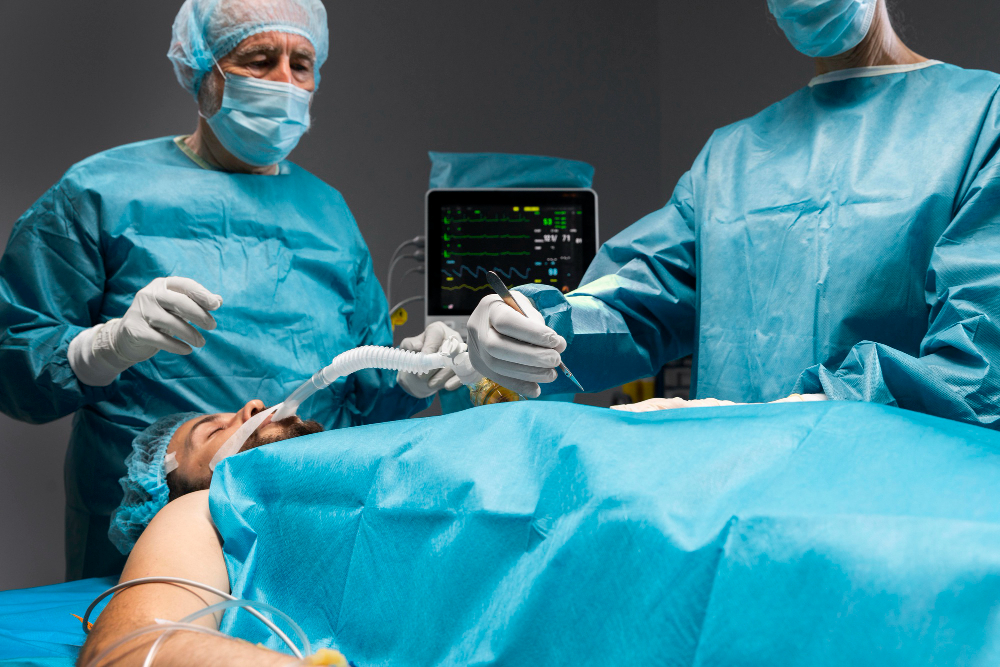
Laparoscopic cholecystectomy is a common surgery to remove the gallbladder. Doctors often use this minimally invasive surgery to treat gallstones and other gallbladder problems. Because it uses small cuts, recovery is usually faster than with open surgery. In this blog, you will learn what laparoscopic cholecystectomy is, when it is needed, how it is done, its benefits, risks, and tips for recovery. If you are considering gallbladder removal surgery, this guide will help you understand the process.
What is Laparoscopic Cholecystectomy?
Laparoscopic cholecystectomy is a type of surgery that removes the gallbladder using small cuts and a camera. The gallbladder is a small organ under your liver. It stores bile, which helps digest fat. However, sometimes the gallbladder can cause problems, such as gallstones. In these cases, doctors may suggest removing it. Unlike open surgery, laparoscopic cholecystectomy uses a few tiny incisions. This approach is called minimally invasive surgery. As a result, patients often heal faster and have less pain.
Indications: When is the Procedure Needed?
Doctors may recommend laparoscopic cholecystectomy for several reasons. Most often, it is done to treat gallstones that cause pain or infection. Sometimes, people have gallbladder inflammation or other issues. Here are common reasons for this surgery:
If you have any of these problems, your doctor may suggest gallbladder removal surgery. According to the CDC, gallstones are a leading cause of digestive system hospital stays in the United States.
How the Procedure is Performed
First, you will receive anesthesia, so you sleep during the surgery. Next, the surgeon makes a few small cuts in your belly. Then, a thin tube with a camera, called a laparoscope, is inserted. This camera helps the surgeon see inside your body. After that, special tools are used to remove the gallbladder. The surgeon carefully takes out the gallbladder through one of the small cuts. Finally, the cuts are closed with stitches or surgical glue. Most people go home the same day or the next day.
Benefits of Laparoscopic Cholecystectomy
Laparoscopic cholecystectomy offers many advantages over open surgery. For example, it is less painful and has a quicker recovery. Here are some key benefits:
Because of these benefits, many people prefer minimally invasive surgery for gallbladder removal.
Risks and Possible Complications
Although laparoscopic cholecystectomy is safe, every surgery has risks. However, serious problems are rare. Here are some possible risks:
If you notice fever, severe pain, or yellowing of your skin after surgery, contact your doctor right away. The World Health Organization states that minimally invasive surgery has a lower risk of complications than open surgery.
Recovery and Aftercare Tips
Most people recover quickly after laparoscopic cholecystectomy. Even so, following your doctor’s advice is important. Here are some tips for a smooth recovery after laparoscopic cholecystectomy:
Usually, people can return to work or school within one to two weeks. However, recovery after laparoscopic cholecystectomy may vary for each person.
Prevention and Lifestyle Guidance
After gallbladder removal, you can live a normal life. Still, some people may notice changes in digestion. To help prevent future problems, consider these tips:
For those seeking laparoscopic cholecystectomy in your city, talk to a qualified surgeon about your options. They can guide you on the best treatment for your needs.
In summary, laparoscopic cholecystectomy is a safe and effective way to treat gallbladder problems. If you have questions or need advice, consult a qualified surgeon for personalized advice about laparoscopic cholecystectomy.