
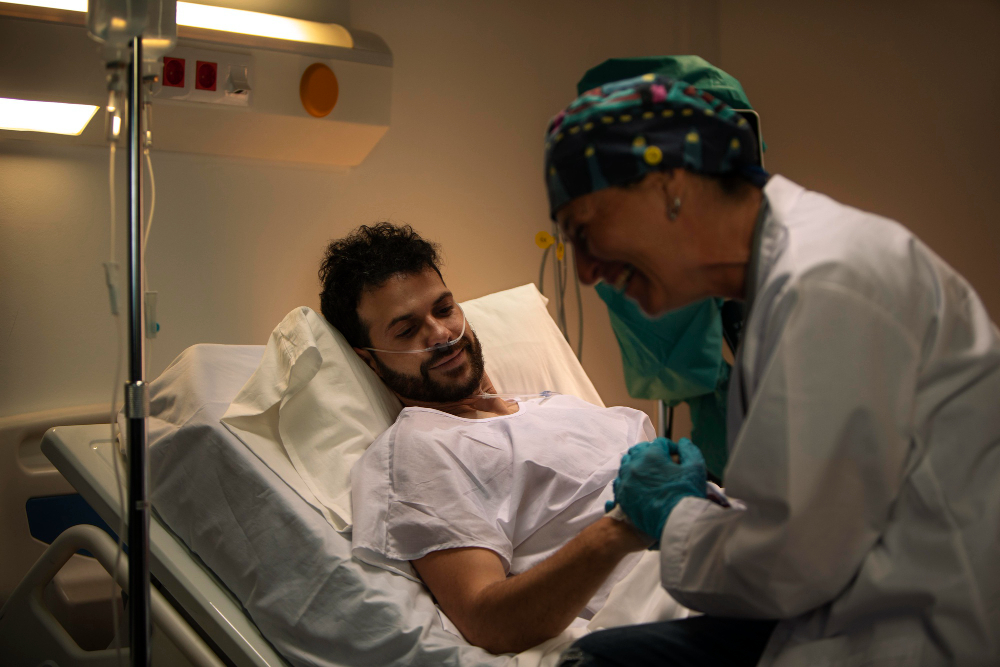
After surgery, your journey to full health is just beginning. Post-surgery care and long-term recovery are closely linked. Good care after an operation helps your body heal, lowers the risk of problems, and supports a better quality of life. Whether you had general surgery or a transplant, knowing how to care for yourself is key. In this blog, we explain why post-surgery care matters and share tips for a smooth recovery after surgery.
What Is Post-Surgery Care?
Post-surgery care means all the steps you take after an operation to help your body heal. It starts right after surgery and can last for weeks or months. For example, after general or transplant surgery, you may need to follow special instructions. These steps are important for everyone, no matter the type of surgery.
In some cases, you may also need help from family or caregivers. According to the World Health Organization (WHO), proper care after surgery can greatly improve recovery.
Why Is Post-Surgery Care Important for Long-Term Recovery?
Proper post-surgery care is vital for long-term recovery. First, it helps wounds heal faster and lowers the risk of infection. Second, it can prevent serious problems, such as blood clots or organ rejection after transplant surgery. In addition, good care supports your overall health and well-being.
According to the Centers for Disease Control and Prevention (CDC), following your care plan can make a big difference in how well you recover after surgery.
Key Elements of Effective Post-Surgery Care
There are several important steps to follow for a smooth recovery after surgery. Each step helps your body heal and reduces risks. For transplant surgery recovery, these steps are even more important.
For more details, you can check resources from the CDC and peer-reviewed medical journals.
Common Challenges and How to Overcome Them
Many people face challenges during recovery after surgery. However, knowing what to expect can help you prepare. Here are some common issues and ways to manage them:
If you have trouble with any part of your care, reach out to your healthcare team. They are there to support you.
Tips for Patients and Families
Everyone can play a role in a smooth recovery after surgery. Here are some easy-to-follow postoperative care tips:
Families can help by offering support, helping with daily tasks, and encouraging healthy habits. Working together makes recovery easier.
When to Seek Medical Help
Sometimes, problems can happen even with the best care. Therefore, it is important to know when to call your doctor. Seek help right away if you notice:
Early action can prevent serious problems. Never wait if you are worried about your health.
Conclusion and Next Steps
In summary, post-surgery care and long-term recovery go hand in hand. Good care helps you heal, lowers risks, and supports a better life after surgery. By following your care plan and staying alert for problems, you can recover well. For more advice on how to heal after surgery, consult your surgeon or healthcare provider for personalized post-surgery care advice.